


Portugal has quietly become one of Europe’s most sought-after travel destinations, and it is easy to understand why. From cobblestone streets lined with colorful tiles to golden coastlines stretching along the Atlantic, the country packs an extraordinary variety of experiences into a relatively compact space. Whether you are drawn to centuries-old castles, world-class seafood, or simply the relaxed pace of life, Portugal delivers on every front.
This guide covers the best places to visit in Portugal for travelers planning a trip in 2026. The destinations below span historic cities, fairy tale hill towns, and sun-drenched coastal regions, giving you a complete picture of what this remarkable country has to offer.
Why Portugal Is a Popular Travel Destination
Few countries in Europe offer the sheer range of experiences that Portugal does. Travelers keep coming back because Portugal manages to be historic and modern, rugged and refined, all at once.
The reasons are worth spelling out:
- Historic cities filled with castles, churches, and centuries of layered architecture
- Beautiful coastlines and beaches running along the full length of the Atlantic Ocean
- A famous food culture built around fresh seafood, slow-cooked stews, and iconic pastries like the pastel de nata
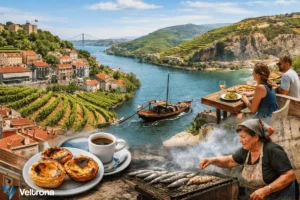
- Scenic wine regions, most notably the Douro Valley, where terraced vineyards climb steep riverbanks
- A warm, welcoming culture and a relaxed travel atmosphere that encourages you to slow down
Portugal’s mix of historic cities, wine regions, and coastal landscapes makes it one of the most genuinely diverse travel destinations in Europe. Crucially, everything is accessible. Cities are well connected by rail, distances are manageable, and the country rewards both first-time visitors and those returning for a deeper look.
Best Places to Visit in Portugal in 2026
The destinations below represent the most rewarding stops on any Portuguese itinerary. Each one offers something distinct, and together they capture the full character of the country.
Lisbon
Lisbon is the kind of capital city that earns its reputation honestly. Spread across seven hills above the Tagus River, it combines grand maritime history with a creative, contemporary energy that feels genuinely alive.
The Belem district is where Lisbon’s Age of Discovery heritage comes into focus. The Monastery of the Hieronymites, whose construction began in 1502, is a UNESCO World Heritage Site and one of the finest expressions of Manueline architecture anywhere in the world. Nearby, the Tower of Belem was built to commemorate Vasco da Gama’s famous expedition and still stands at the river’s edge as a striking reminder of Portugal’s global reach. Both monuments form the UNESCO-inscribed Belem complex, recognized for its outstanding cultural significance.
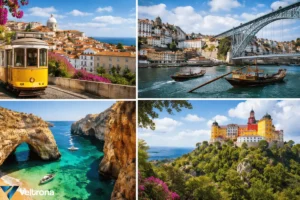
Beyond the monuments, Lisbon rewards slow exploration. The iconic yellow trams climbing through the Alfama neighborhood, the sweeping viewpoints called miradors, and the tightly packed streets of Mouradian all offer something different. Nights in Bairro Alto or Cais do Sodre bring another side of the city to life entirely.
Lisbon is one of the best places to visit in Portugal for a first trip, but it also has enough depth to keep experienced travelers busy for days.
Porto
Porto sits at the mouth of the Douro River in northern Portugal and carries itself with a quiet confidence that is hard to resist. The city’s ribeira waterfront, a row of colorful buildings reflected in the slow-moving river below, is one of the most photographed scenes in the country.
Port wine is the obvious starting point. The wine cellars of Vila Nova de Gaia, just across the river, offer tours and tastings that trace the full history of this fortified wine from the Douro Valley to the bottle. It is a genuinely interesting experience, not just a tourist formality.
Porto also rewards those who explore beyond the riverfront. The Gothic São Francisco Church, the stunning azulejo-covered facade of the São Bento railway station, and the independent bookshop Livraria Lello are all worth your time. The city has a creative food scene too, with the francesinha sandwich standing as a local institution that divides opinion but demands to be tried.
Sintra
About 30 kilometres west of Lisbon, Sintra feels like a destination from a different era. The town sits within a lush, forested mountain range, and its famous palaces emerge from the trees with a theatricality that photographs never quite capture.
Pena Palace, perched on a peak above the town, is the undisputed highlight. Built in the 19th century by Ferdinand II, it combines Gothic, Egyptian, Moorish, and Renaissance architectural elements into something entirely its own. Sintra became the first center of European Romantic architecture, a distinction recognized by its status as a UNESCO World Heritage Cultural Landscape. The same listing covers the Moorish Castle, the Royal Palace, and the extraordinary gardens that surround them all.
Sintra is an easy day trip from Lisbon, but staying overnight allows you to explore the town after the day crowds have left, when the atmosphere shifts considerably.
Algarve
The Algarve occupies Portugal’s southern coast and draws more visitors than any other region in the country. The reasons are straightforward: dramatic limestone cliffs, long stretches of golden sand, and small fishing towns that have retained their character despite decades of tourism.
The coastline between Lagos and Sagres is particularly striking. Ponta da Piedade, a series of rock arches and sea stacks just south of Lagos, is best seen by kayak or boat to appreciate the scale. The Benagil Sea Cave, accessible only by water, has become one of the most photographed natural landmarks in Portugal. Further east, the Ria Formosa natural park is a quieter, ecologically rich lagoon system worth exploring.
The Algarve is the most popular beach destination in Portugal for good reason, but it also has character beyond the sand. The old town of Lagos, the whitewashed streets of Tavira, and the dramatic southwestern tip of Cape St. Vincent all add depth to what could otherwise be a purely beach-focused trip.
Unique Experiences to Try in Portugal
The best Portuguese trips combine city exploration with experiences that take you deeper into the country’s culture, landscape, and food.
- Explore the historic neighborhoods and castle districts of Lisbon and Porto on foot
- Visit vineyards in the Douro Valley for wine tasting and cellar tours among terraced hillsides
- Take a boat trip along the Douro River for views of the valley that road travel cannot match
- Try traditional Portuguese dishes, including bacalhau (salt cod), caldo verde soup, and fresh grilled fish
- Spend at least one morning in a local pastelaria eating a pastel de nata with a short espresso
Many travelers find that the most memorable moments happen outside the main sights, at a neighborhood market, a village festival, or a simple lunch by the sea.
Best Time to Visit Portugal
Portugal has a Mediterranean climate characterized by warm, dry summers and mild, wetter winters. The best time to visit depends on what you are looking for, but spring and autumn consistently stand out as the most balanced seasons.
March through May brings comfortable temperatures, blooming flowers, and noticeably fewer crowds than peak summer. September and October offer similar conditions, with the bonus of warm sea temperatures from the summer. Both shoulder seasons are ideal for exploring cities, driving through the countryside, or visiting Sintra without having to queue for an hour before the palace opens.
Summer, from June through August, is when the Algarve is at its most vibrant. Beach towns fill up quickly, prices rise, and the heat can be intense further inland. If beaches are the priority, summer makes sense. For city travel, spring and autumn are more comfortable in every sense.
Winter in Portugal is mild by European standards and worth considering for travelers who want Lisbon or Porto largely to themselves.
Tips for Planning a Trip to Portugal
A little preparation goes a long way when visiting a country as varied as this.
Start any itinerary with Lisbon or Porto, since both cities have international airports and serve as natural hubs for exploring the surrounding regions. CP, the national rail operator, runs Alfa Pendular trains between the two cities at speeds up to 220 km/h, covering the route in under three hours. Booking in advance can significantly reduce ticket costs.
From Lisbon, Sintra is a 40-minute regional train ride from Rossio station. The Algarve is reachable by train from Lisbon in roughly three hours. For smaller towns and villages, renting a car opens up access to places that public transport simply does not reach.
Pace your itinerary so that major city days alternate with slower, more exploratory ones. Portugal rewards that kind of rhythm. The best trips tend to be those that leave room for the unexpected: a local market, a viewpoint nobody else seems to know about, or a wine region stop you added on a whim.
Portugal Is Ready for You in 2026
The best places to visit in Portugal span centuries of history, dramatically different landscapes, and a food culture that rewards curiosity at every turn. Lisbon and Porto anchor any itinerary with genuine substance. Sintra adds something harder to define, a combination of natural beauty and architectural ambition that stays with you. The Algarve delivers on every coastal promise. And beyond these highlights, Portugal has a long list of smaller towns, river valleys, and wine regions that reward travelers willing to look past the obvious.
Planning a trip to Portugal in 2026 means choosing between an embarrassment of riches. The practical advice is simple: go with a rough plan, stay flexible, and give yourself more time than you think you need. Portugal has a habit of making you want to stay longer.