
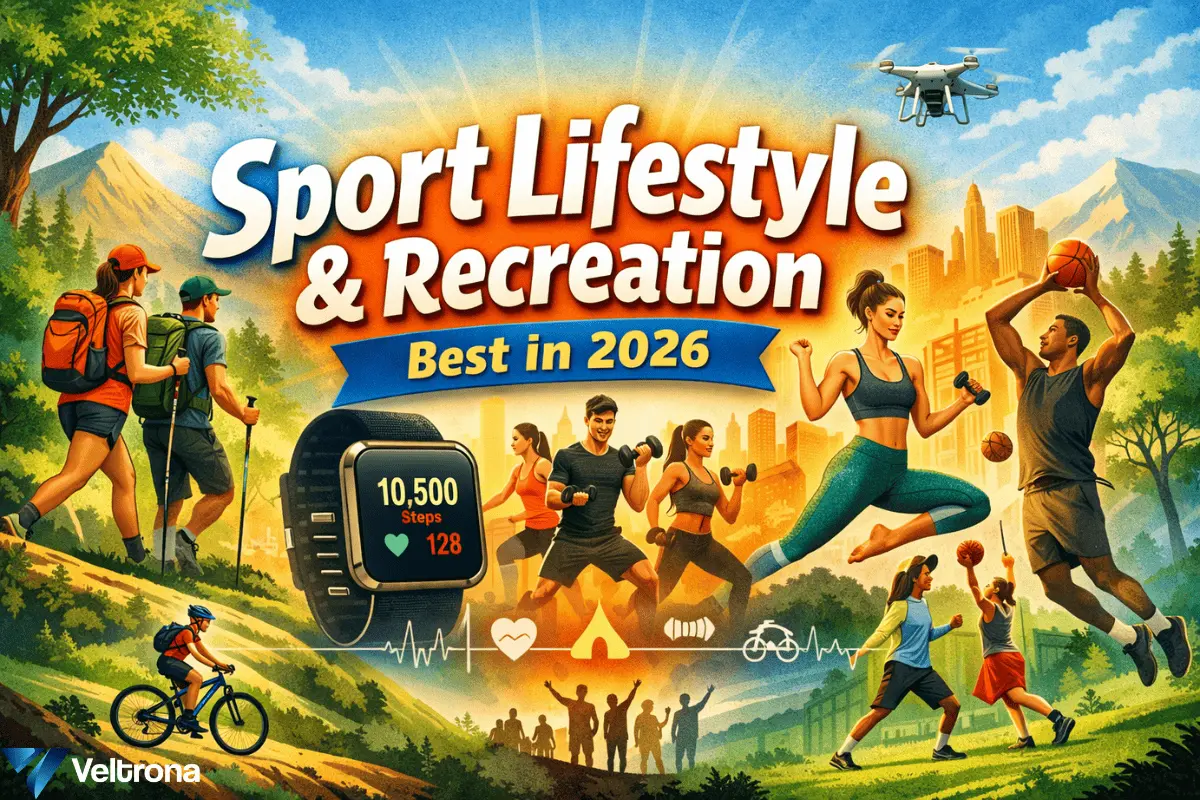

More people than ever are moving a central part of their daily lives. Whether it is hiking local trails on weekends, joining a community fitness group, or tracking workouts through a smartwatch, the relationship between people and physical activity is shifting in meaningful ways. Sport lifestyle and recreation are no longer niche pursuits reserved for athletes or outdoor enthusiasts. They have become a defining feature of how millions of people manage their health, connect with others, and find enjoyment outside of work.
This article covers what sport lifestyle and recreation look like in 2026, why an active lifestyle matters more than ever, the biggest trends shaping how people move, and practical steps you can take to build activity into your everyday routine.
Understanding Sport Lifestyle and Recreation
Sport lifestyle and recreation refer to the habits, choices, and activities people adopt to stay physically active and engaged beyond formal competition. It is a broad concept that covers everything from structured gym training to casual weekend cycling, from competitive recreational leagues to solo morning runs.
What makes sport lifestyle and recreation particularly relevant today is the growing recognition that physical activity shapes far more than just body composition. It directly influences how people think, feel, and function across every area of life. When movement becomes a lifestyle rather than a chore, the results tend to be lasting.
Why an Active Lifestyle Matters
The evidence supporting physical activity is well established. According to the World Health Organization, insufficiently active people have a 20 to 30 percent increased risk of death compared to those who are sufficiently active. Regular activity reduces the risk of cardiovascular disease, type-2 diabetes, and certain cancers, while also improving mental health, sleep, and cognitive function.
Despite this, 31 percent of the world’s adult population, roughly 1.8 billion people, still do not meet the recommended levels of physical activity. That gap represents a real opportunity for sport lifestyle and recreation to step in as practical, enjoyable solutions.
Here is why staying active consistently pays off:
- Improves physical fitness, endurance, and long-term cardiovascular health
- Improves mental wellness by alleviating symptoms of anxiety and depression.
- Encourages social interaction and builds a sense of community
- Builds discipline and contributes to healthier daily habits
- Reduces the risk of chronic illness and supports independent living as people age
These benefits do not require elite performance. They accumulate through regular, moderate activity done consistently over time.
Major Sport Lifestyle Trends in 2026
The way people approach sport, lifestyle, and recreation is evolving quickly, shaped by technology, shifting demographics, and a broader cultural shift toward holistic wellness.
Emerging Trends in Sports and Recreation
Each year, the American College of Sports Medicine surveys thousands of fitness professionals and researchers to identify the top fitness trends worldwide. The 2025 ACSM Worldwide Fitness Trends report, based on responses from more than 2,000 clinicians and practitioners, identified wearable technology as the number one trend, followed by mobile exercise apps at number two. Data-driven training technology jumped from 18th to 7th in 2025, reflecting a rapid shift toward personalised, insight-led training.
Beyond technology, exercise for mental health ranked eighth, signalling that people are no longer separating physical and psychological well-being when considering fitness. High-intensity interval training, functional fitness, and traditional strength training also held prominent spots in the top ten.
On the outdoor side, the Outdoor Industry Association’s 2025 Participation Trends Report captured record-breaking growth. Gateway activities such as hiking, camping, and fishing each gained more than 2 million new participants. Participation among seniors rose by 7.4 percent, while youth participation grew by 5.6 percent, pointing toward a more multigenerational outdoors than at any previous point. The core outdoor participant base, meaning the most frequent and committed adventurers, grew by five million people.
These numbers confirm that sport lifestyle and recreation are expanding across age groups, backgrounds, and activity types.
Best Activities for a Sport Lifestyle in 2026
With so many options available, finding the right fit for your personal preferences and schedule has never been easier.
Outdoor Recreational Sports
Outdoor activity continues to attract large numbers of people, and it is easy to see why. Hiking, trail running, cycling, kayaking, and open-water swimming all combine physical effort with time spent in natural environments, which research consistently links to reduced stress and improved mood.
Hiking alone has seen a significant surge, with millions of new participants joining established hikers in recent years. The appeal is simple: it requires minimal equipment, scales to any fitness level, and offers genuine mental restoration alongside physical conditioning. Cycling, both road and off-road, has followed a similar trajectory as urban cycling infrastructure improves and more people seek low-impact yet effective exercise.
For those drawn to higher challenge, adventure sports like rock climbing, paddleboarding, and trail ultramarathons are growing communities of their own, each with organised events and dedicated clubs that make entry easier than it once was.
Fitness-Based Recreational Activities
Gym-based and structured fitness activities remain at the core of how many people engage with sport, lifestyle, and recreation. Group training programs have gained particular momentum because they combine accountability with social connection, two factors that significantly improve long-term adherence.
High-intensity interval training classes, functional fitness sessions, and strength training programs have all held strong in recent years. Yoga and swimming continue to attract broad participation due to their low injury risk and adaptability. In 2023 alone, nearly 370 million users downloaded fitness apps, totalling 850 million downloads, demonstrating how digital tools are making structured fitness more accessible to people outside traditional gym settings.
Benefits of Combining Sport Lifestyle and Recreation
When people blend structured sport with genuine recreational enjoyment, the results tend to be more sustainable than either approach alone. Competitive athletes who incorporate recreational play into their routines often report lower rates of burnout. Casual exercisers who occasionally challenge themselves with more structured programs tend to see better physical results.
The combination works because it satisfies both the need for progress and the need for enjoyment. Here is what a well-rounded approach to sport lifestyle and recreation delivers:
- Better cardiovascular health, muscular strength, and physical resilience
- Improved mood, mental clarity, and reduced symptoms of chronic stress
- Increased daily energy levels and overall productivity
- Strong social connections built through shared physical pursuits
- A sustainable long-term lifestyle that supports health well into older age
Tips to Build a Sport Lifestyle in Daily Life
Adopting a sport lifestyle and recreation as a genuine part of your routine does not require a dramatic change. Small, consistent steps tend to produce the most durable results.
Start by choosing activities that you actually enjoy. Fitness and recreation are far easier to maintain when they feel rewarding rather than obligatory. If you dislike running on a treadmill but enjoy cycling outdoors, prioritize the activity that motivates you to show up regularly.
Build a consistent weekly schedule rather than relying on motivation alone. Setting two to four active sessions per week and treating them like appointments removes the daily decision of whether to exercise.
Joining a community group or club adds a social layer that makes sport lifestyle and recreation significantly stickier. Whether it is a local running group, a recreational soccer league, or a weekend hiking club, shared activity fosters both accountability and friendship.
Finally, balance competitive challenge with recreational fun. Not every session needs to be a personal best effort. Mixing structured workouts with low-pressure activities keeps enjoyment high and reduces the likelihood of burnout or injury over time.
Building a Life Around Movement
Sport lifestyle and recreation are not trends that will fade. They represent a fundamental shift in how people understand health, happiness, and daily quality of life. The data is clear: regular physical activity reduces disease risk, supports mental wellbeing, and builds the kind of social fabric that makes communities healthier places to live.
The best version of a sport lifestyle looks different for every person. It might mean weekend trail runs, evening yoga classes, community basketball games, or a daily walk with a fitness tracker on your wrist. What matters is consistency and genuine engagement with activities that feel worthwhile.
Start small, find your fit, and treat sport lifestyle and recreation as an investment in every dimension of your life.