
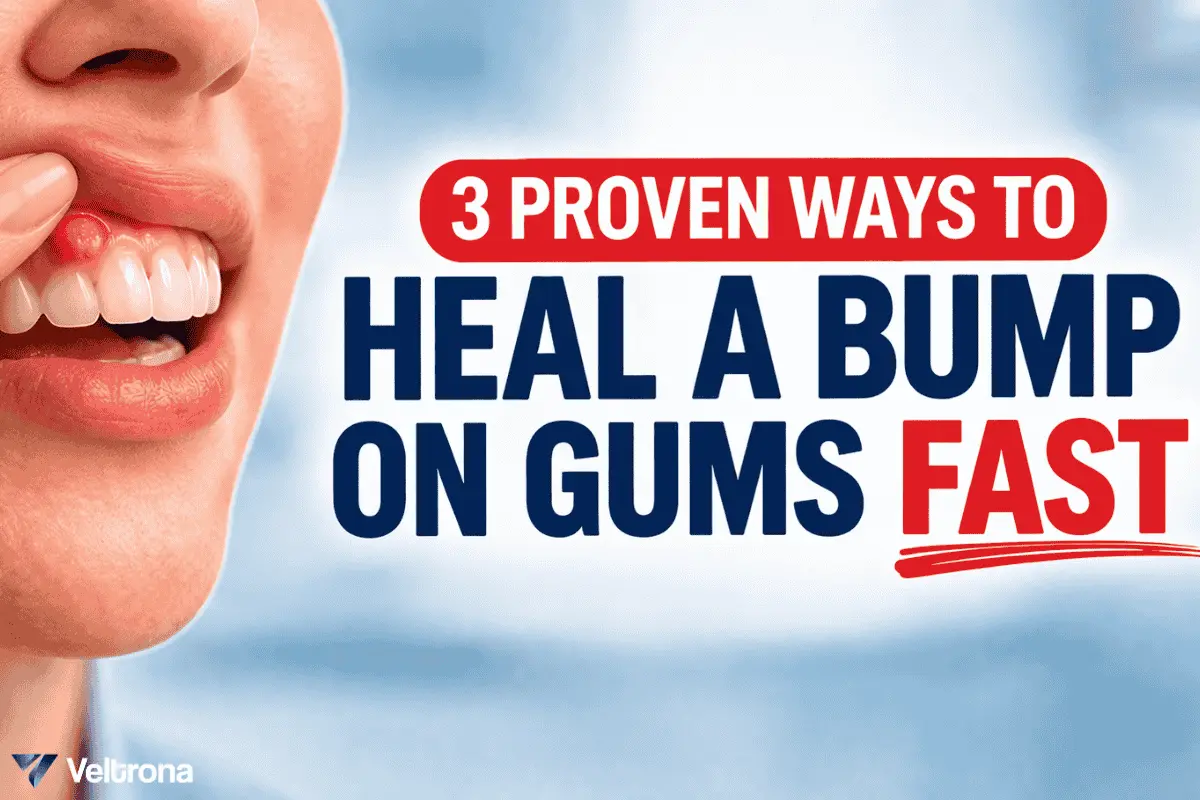

Noticing a new bump on gums can easily cause panic. You might feel a strange lump while brushing your teeth or eating your favorite meal. This common issue brings a lot of discomfort and worry to your daily life. Finding a fast and effective solution is your top priority when dealing with a sore bump on gums.
Fortunately, most of these lumps are highly treatable at home. Small injuries or minor bacterial buildup usually trigger the swelling. You do not need to suffer in silence while waiting for a dental appointment. This guide will walk you through three simple methods to heal your gums quickly.
What Causes a Bump on Gums?
Understanding the root cause of your pain helps you choose the best treatment. A bump on gums rarely happens without a specific reason. Bacteria, physical irritation, or minor injuries usually trigger the swelling. Knowing the exact cause gives you a clear path to fast relief.
- Gum abscess: A severe bacterial infection creates a pocket of pus near the tooth root.
- Canker sores: Small mouth ulcers form at the base of the gums and cause sharp pain.
- Oral infections: Untreated tooth decay spreads into the surrounding soft gum tissue.
- Food particles stuck in gums: Popcorn hulls or seeds get trapped and irritate the gum line.
- Poor oral hygiene: Failing to brush and floss lets plaque build up and inflame your mouth.
Symptoms of a Bump on Gums You Should Not Ignore
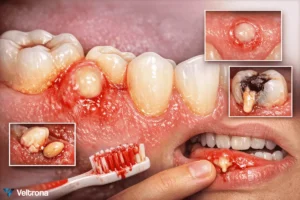
A bump on the gums behaves differently depending on its cause. Some lumps feel completely painless, while others make it hard to talk or chew. You must pay close attention to how your body reacts to the swelling. Tracking your symptoms helps you determine whether you can treat the issue at home or need professional help.
- Pain or tenderness: The area hurts constantly when you press it or chew your food.
- Swelling or redness: The infected tissue looks much darker and puffier than the rest of your mouth.
- Pus discharge: A thick fluid leaks from the bump on gums and leaves a terrible taste.
- Bleeding gums: The irritated spot bleeds easily when you brush your teeth.
3 Proven Ways to Heal a Bump on Gums Fast
You do not have to sit and suffer through the pain. You can take immediate action to reduce the bump on your gums and soothe the irritation right in your own bathroom.
1. Saltwater Rinse
A warm saltwater rinse is the easiest way to naturally fight mouth bacteria. Salt acts as a powerful mild disinfectant. It draws excess fluid from the swollen tissue to reduce inflammation quickly.
Mix one teaspoon of regular table salt into a cup of warm water. Stir the liquid until the salt dissolves completely. Swish the mixture gently around your mouth for a full 30 seconds before spitting it out into the sink. You can repeat this process three to four times a day to speed up your healing process.
2. Apply a Cold Compress
Cold therapy works wonders for instant pain relief. Applying cold to your cheek slows blood flow to the infected area. This directly reduces the swelling and numbs the sharp throbbing sensation.
Wrap a few ice cubes or a frozen gel pack in a soft towel. Never apply ice directly to your bare skin to avoid ice burns. Hold the wrapped ice pack against the side of your face where the bump on gums is located. Keep it there for 15 to 20 minutes at a time. You can use this method every few hours as needed.
3. Use Antibacterial Treatments
Sometimes a saltwater rinse is not quite enough to clear the bacteria. You can step up your treatment with over-the-counter gels or natural antibacterial oils. These products target the infection directly and calm the irritated gum tissue.
Apply a small dab of an over-the-counter oral analgesic gel to numb the area. Alternatively, you can use a natural remedy like clove oil. Clove oil contains eugenol, which acts as a powerful natural numbing agent. Place a single drop of clove oil on a clean cotton swab and gently press it against the bump on gums. Maintaining excellent oral hygiene while using these treatments prevents the bacteria from spreading further.

When to See a Dentist for a Bump on Gums
Home remedies provide excellent temporary relief. However, they cannot cure a deep-rooted infection or a severe abscess. You need to know exactly when to stop treating the issue yourself and call a professional.
Warning: Ignoring a painful bump on gums can lead to severe health issues. An untreated dental infection can quickly spread to your jawbone, neck, or even your bloodstream.
Call your local dentist immediately if your pain lasts more than two or three days. You also need urgent care if the swelling increases and spreads to your face or neck. A high fever or severe discomfort that keeps you awake at night indicates a spreading infection. Do not wait for the problem to resolve itself once these serious signs appear.
Expert Tip: If you notice a foul-tasting liquid draining into your mouth, your abscess has likely ruptured. Spit the liquid out immediately, rinse your mouth with warm water, and call your dental clinic for an emergency appointment.
Prevention Tips for a Healthy Smile
Stopping a bump on gums from forming in the first place is always the best strategy. A solid daily routine protects your mouth from harmful bacteria and painful swelling. Keep your gums strong and healthy by following a few simple habits.
- Brush twice daily: Use a soft-bristle brush and fluoride toothpaste to clean all tooth surfaces.
- Floss regularly: Clean between your teeth at least once a day to remove hidden food particles.
- Avoid sugary foods: Limit sweets and acidic drinks that feed harmful bacteria in your mouth.
- Regular dental checkups: Visit your dentist every six months for a professional cleaning and exam.
Final Thoughts on Your Gum Health
Dealing with a bump on gums is never a fun experience. But now you have the knowledge to handle the situation safely and effectively. You can use a saltwater rinse, a cold compress, or antibacterial treatments to find fast relief at home.
Taking quick action stops the pain from ruining your day. Always monitor your symptoms closely and maintain your daily brushing habits. If your bump on gums refuses to heal after a few days of home treatment, book an appointment with your dentist to protect your long-term oral health.