
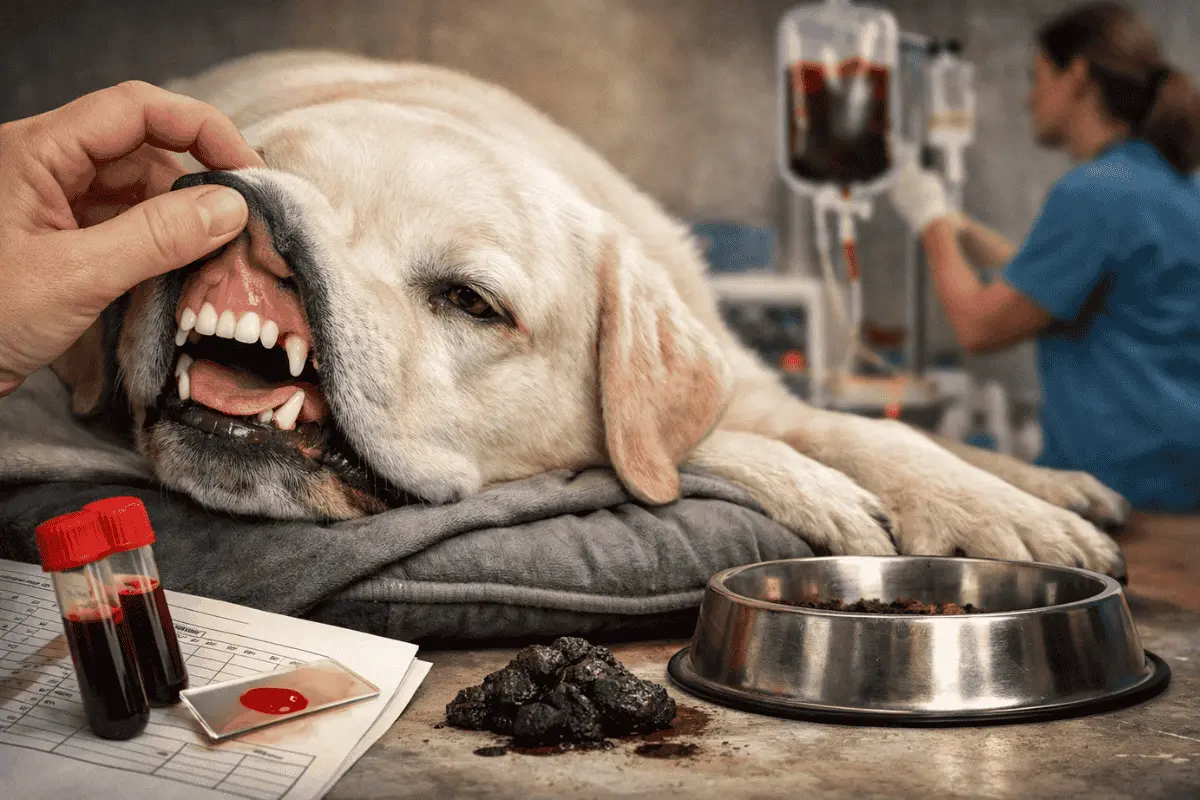

Red blood cells carry oxygen to every tissue and organ in a dog’s body. When those cells drop below normal levels, the body struggles to function properly. This condition is called anemia in dogs, and it can range from mild to life-threatening depending on the cause and how quickly it is caught.
Many dog owners miss the early signs because they can look like general tiredness or a bad day. But anemia does not resolve on its own. It is always tied to an underlying problem that needs attention.
This article covers the most common warning signs, causes, types, and treatment options for anemia in dogs. It also explains when to contact a veterinarian and how to support a dog through recovery.
What Is Anemia in Dogs?
Defining Canine Anemia
Anemia is a medical condition in which a dog has a reduced number of circulating red blood cells, lower hemoglobin levels, or both. According to VCA Animal Hospitals, a normal dog should have red blood cells accounting for 35% to 55% of its blood volume. A reading below 35% typically indicates anemia.
Because red blood cells deliver oxygen throughout the body, a drop in their numbers means the organs and tissues receive less oxygen than they need. Over time, this affects energy levels, heart function, and overall health.
Can Any Dog Get Anemia?
Anemia can occur in dogs of any age, breed, or size. It is an indication that something else is wrong rather than an illness in and of itself. Puppies, senior dogs, and those with existing health conditions are at higher risk.
How Veterinarians Diagnose It
Diagnosis typically involves a physical exam, a review of the dog’s medical history, and blood tests. The packed cell volume (PCV), also called the hematocrit, is the most common test used to confirm anemia. A complete blood cell count (CBC) provides additional detail on red blood cell count and hemoglobin levels.
Veterinary insight: To determine whether the bone marrow is responding to the condition, vets look for reticulocytes, which are immature red blood cells released early when the body senses low oxygen. Their presence or absence helps classify the type of anemia and guides the treatment plan.
Warning Signs of Anemia in Dogs
Pale Gums and Tongue
Healthy dog gums should be a bubblegum pink. Pale pink or white gums are one of the earliest and most visible signs of anemia in dogs. The colour change occurs because fewer red blood cells are circulating near the surface tissues.
Checking the gums takes only a few seconds and can alert owners to a problem before other symptoms appear.
Weakness and Lethargy
An anemic dog often seems unusually tired. They may sleep more, move slowly, or show less interest in activities they normally enjoy. This happens because the muscles and tissues are not getting enough oxygen to function at their usual level.
Loss of Appetite
Dogs with anemia sometimes eat less than normal. A drop in appetite combined with low energy is worth noting, especially if it persists for more than a day or two.
Rapid Breathing or Increased Heart Rate
When oxygen levels fall, the body responds by trying to compensate. The heart beats faster, and breathing quickens to deliver more oxygen to the tissues. These signs can be subtle at first but become more noticeable as the anemia progresses.
Dark or Bloody Stool
Black or tarry stools can indicate internal bleeding in the stomach or intestines. Blood in the stool or urine is a clear signal that something serious may be happening internally and that veterinary attention is needed right away.
Collapse in Severe Cases
In severe cases, a dog may collapse with minimal exertion. According to the Merck Veterinary Manual, sudden blood loss of more than 30 to 40% of total blood volume can cause shock and can be fatal without rapid treatment. Any episode of collapse should be treated as an emergency.
Symptoms may develop gradually over days or weeks, or they may appear suddenly depending on the cause.
Common Causes of Anemia in Dogs
Blood Loss
Blood loss is a common trigger. It can result from internal injuries, ruptured tumours on the spleen, stomach ulcers, or heavy infestations of blood-sucking parasites such as fleas, ticks, and hookworms. In puppies, hookworms in particular can cause significant blood loss even before visible symptoms appear.
Destruction of Red Blood Cells
The body can also destroy its own red blood cells. The most common cause of this type in dogs is immune-mediated haemolytic anemia (IMHA), in which the immune system mistakenly attacks red blood cells. Certain infections, toxins like zinc or onions, and some cancers can also lead to red blood cell destruction.
Reduced Red Blood Cell Production
When the bone marrow fails to produce enough red blood cells, anemia develops over time. Chronic diseases such as kidney or liver disease, autoimmune conditions, poor nutrition, and certain medications can all suppress bone marrow activity.
Types of Anemia in Dogs
Regenerative Anemia
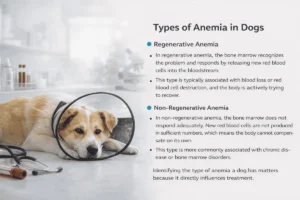
In regenerative anemia, the bone marrow recognizes the problem and responds by releasing new red blood cells into the bloodstream. This type is typically associated with blood loss or red blood cell destruction, and the body is actively trying to recover.
Non-Regenerative Anemia
In non-regenerative anemia, the bone marrow does not respond adequately. New red blood cells are not produced in sufficient numbers, which means the body cannot compensate on its own. This type is more commonly associated with chronic disease or bone marrow disorders.
Identifying the type of anemia a dog has matters because it directly influences treatment.
How Veterinarians Treat Anemia in Dogs
Treating the Underlying Cause
Treatment always begins with identifying and addressing the root cause. Resolving the underlying condition is the most reliable way to correct the anemia over time.
Medications and Supplements
Depending on the cause, a veterinarian may prescribe corticosteroids to suppress an overactive immune response, antibiotics for infectious causes, dewormers to address parasitically induced blood loss, or vitamin K for certain rodenticide toxicities.
Veterinary insight: For dogs diagnosed with IMHA, immunosuppressing drugs are used to stop the body from attacking its own red blood cells. The goal is to buy time while the bone marrow recovers and begins producing healthy cells again.
Blood Transfusions in Severe Cases
When anemia is life-threatening, a blood transfusion may be required to stabilise the dog. The transfusion buys time while veterinarians work to identify and treat the underlying disease. To guarantee compatibility, blood typing is done in advance.
Nutritional Support
Some forms of anemia, particularly those caused by chronic blood loss or malnutrition, benefit from nutritional support. This may include iron supplementation or dietary adjustments recommended by the veterinarian.
When to See a veterinarian
Contact a veterinarian if a dog shows any of the following:
- Pale or white gums
- Sudden weakness or unusual fatigue
- Laboured or rapid breathing
- Unexplained bleeding, including from the nose or in the stool
- Collapse or loss of consciousness
Early veterinary care can prevent a manageable condition from becoming a serious emergency. Waiting too long can allow anemia in dogs to progress to a stage where recovery is much harder.
Prevention Tips for Dog Owners
- Schedule regular checkups to catch developing conditions early
- Use vet-recommended parasite prevention year-round
- Feed a balanced, species-appropriate diet
- Monitor for changes in energy, appetite, stool color, and gum color
- Report any unusual symptoms to a veterinarian promptly
Consistent monitoring is one of the most effective tools available to dog owners.
Living With a Dog Diagnosed With Anemia
Following the treatment plan exactly as prescribed is the foundation of recovery. Many dogs respond well once the underlying cause is addressed.
At home, owners should track energy levels, appetite, and gum color on a daily basis. Avoid strenuous exercise until the veterinarian clears the dog for normal activity. Keep follow-up appointments, since repeat blood tests are often needed to confirm that red blood cell levels are improving.
Providing a calm, comfortable environment and staying observant make a real difference during recovery.
Anemia in Dogs: Protecting Your Pet Starts With Awareness
Anemia in dogs is a serious condition, but it is manageable when detected early and treated appropriately. Pale gums, low energy, dark stools, and rapid breathing are signs that should never be dismissed as a rough day.
The causes range from parasites and injuries to autoimmune disease and chronic illness. Each case is different, and treatment depends entirely on what is driving the condition.
If something seems off with your dog, check their gums and trust your instincts. A quick visit to the vet can make all the difference. With the right care, most dogs recover well and go on to live full, healthy lives.
Frequently Asked Questions
Can anemia in dogs go away on its own?
Anemia does not resolve without treating its underlying cause. Because it is always a symptom of another condition, veterinary assessment is needed to identify the underlying cause and initiate appropriate treatment.
How quickly can anemia develop in dogs?
It depends on the cause. Blood loss from a ruptured organ or severe injury can cause anemia within hours. Chronic conditions such as kidney disease or bone marrow suppression lead to a slower, gradual decline in red blood cell counts over weeks or months.
Is anemia painful for dogs?
Anemia itself is not typically painful, but the underlying cause may be painful. Dogs with anemia often feel weak, breathless, and fatigued. Conditions such as internal bleeding or autoimmune disease that lead to anemia can cause discomfort or distress.