
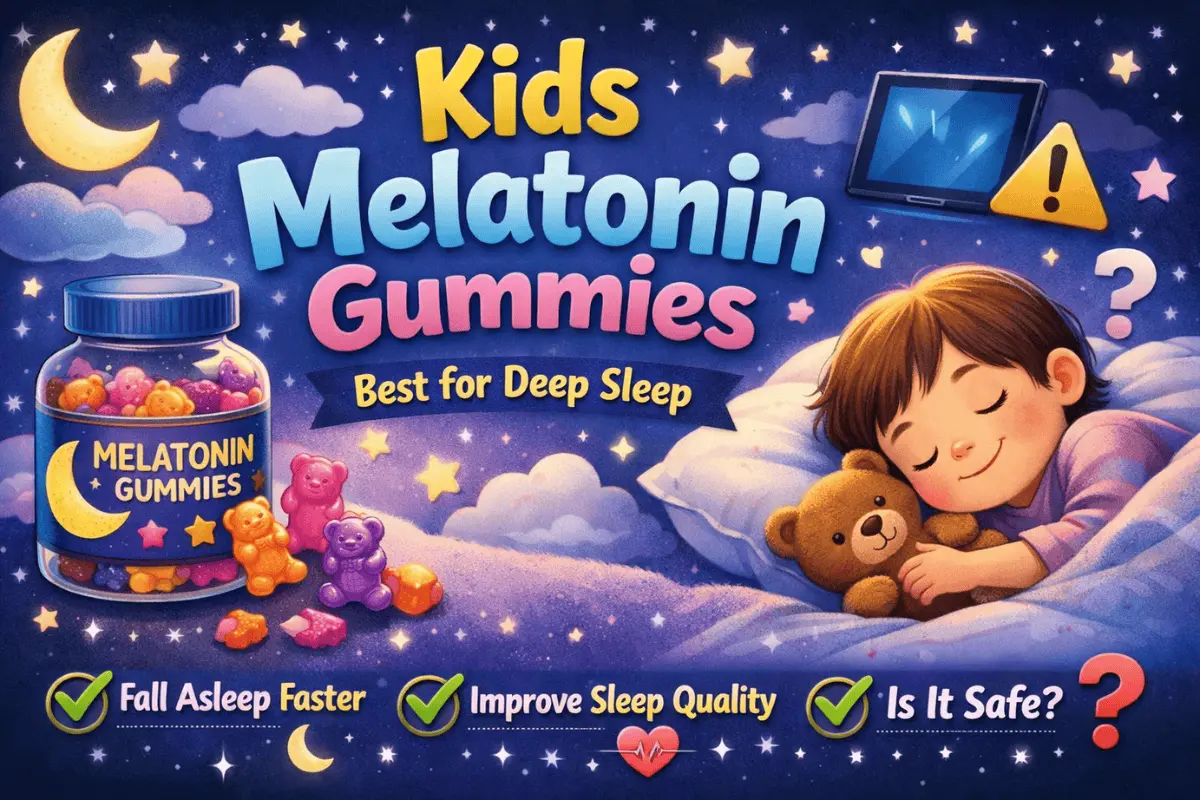

Getting a child to bed can feel like a nightly battle. Between restless energy, racing thoughts, and glowing screens, many kids struggle to wind down and fall asleep at a reasonable hour. Poor sleep affects more than just mood; it also impacts a child’s growth, memory, immune function, and behaviour. As parents search for solutions, kids melatonin gummies have become one of the most talked-about options on the market. However, are they safe and do they really work? Here is what you need to know before reaching for the gummy jar.
Kids Melatonin Gummies: What Are They?
The brain’s pineal gland naturally produces the hormone melatonin. Its job is to signal to the body that nighttime has arrived, helping shift the body into sleep mode. When that signal is delayed or disrupted, falling asleep becomes harder.
Kids melatonin gummies are chewable supplements designed to deliver a small dose of synthetic melatonin in a child-friendly format. Unlike adult melatonin products, which often come in higher doses, these gummies are typically formulated with lower amounts and added flavours to make them more palatable for children.
Common ingredients beyond melatonin include gelatin or pectin as the gummy base, natural fruit flavours, and sometimes vitamin B6, which plays a supporting role in natural melatonin production. Some products also include chamomile or L-theanine, though parents should read ingredient labels carefully before choosing a product.
It is worth knowing that melatonin is regulated as a dietary supplement in the United States, not as a medication. That means it does not go through the same FDA approval process as prescription or over-the-counter drugs. This distinction matters, as we will explain in the safety section.
Why Children Sometimes Struggle With Sleep
Before reaching for any supplement, it helps to understand what might be getting in the way of sleep in the first place.
Irregular Sleep Schedules
Late bedtimes, inconsistent routines, and varying wake-up times on weekends can throw off a child’s internal clock. When sleep and wake times shift frequently, the body’s natural melatonin release gets confused.
Exposure to Screen Before Bed
Blue light emitted from tablets, smartphones, and televisions suppresses melatonin production by tricking the brain into thinking it is still daytime. The American Academy of Paediatrics recommends avoiding screens for at least one hour before bedtime.
Stress or Anxiety
School pressure, social challenges, and general anxiety can keep children mentally active at night. Racing thoughts make it hard for the body to relax into sleep, even when physical tiredness is present.
Changes in Routine
Travel across time zones, illness, school schedule changes, or seasonal shifts can all temporarily disrupt a child’s sleep patterns. These are the situations in which short-term sleep support is most relevant.

How Kids Melatonin Gummies Work
Melatonin supplements do not knock children out or force sleep the way sedatives might. Instead, they work by reinforcing the body’s own sleep signal, essentially giving the brain a nudge that nighttime has arrived.
When a child takes a melatonin gummy 30 to 90 minutes before their target bedtime, the supplemental melatonin can help shift the sleep window earlier and make falling asleep feel more natural. This is particularly useful when a child’s internal clock is running late, whether due to summer break, travel, or irregular scheduling.
Because melatonin is about timing rather than sedation, it works best when combined with consistent sleep habits rather than used as a standalone fix.
Potential Benefits of Kids Melatonin Gummies
Helps Children Fall Asleep Faster
Research suggests that melatonin can reduce the time it takes for children to fall asleep, particularly in those whose sleep timing is off schedule. According to the American Academy of Pediatrics (AAP), many children respond to low doses taken 30 to 90 minutes before bedtime.
Could Enhance the Quality of Sleep
By helping children fall asleep closer to their target bedtime, melatonin can support a fuller night of sleep, which is important for memory consolidation, growth hormone release, and overall health.
Useful for Temporary Sleep Issues
Kids melatonin gummies are particularly well-suited to short-term situations like jet lag, travel disruption, or resetting a sleep schedule after a long school break. The American Academy of Sleep Medicine (AASM) notes that melatonin can help reset sleep cycles in children whose body clocks are out of sync.
Recommended Dosage and Safety Considerations
This is where parents need to pay close attention. Because melatonin is sold as a supplement rather than a regulated medication, dosing recommendations are not standardized.
According to AAP guidance published on HealthyChildren.org, starting with the lowest possible dose is the right approach. Many children respond to as little as 0.5 mg to 1 mg taken 30 to 90 minutes before bed. Most children, even those with ADHD, do not need more than 3 to 6 mg.
The safety picture becomes more complicated when you look at what is actually inside the bottle. A study cited in both the CDC’s Morbidity and Mortality Weekly Report (MMWR) and the AASM health advisory found that melatonin content in supplements varied by as much as 465% between different lots of the same product. The chewable form, which is most popular with children, showed the highest variability. Some products even contained serotonin at potentially significant doses.
From 2012 to 2021, U.S. poison control centres received reports of 260,435 pediatric melatonin ingestions, with the annual number increasing by 530% over that decade. The majority were unintentional and involved children under five years old. Most children recovered without serious harm, but some required hospital care, and two deaths were reported in children under two years old.
The AASM advises that melatonin should be treated like any other medication and stored out of reach of children. Child-resistant packaging is an important consideration when purchasing.
Possible mild side effects include morning drowsiness, daytime sleepiness, and increased nighttime urination. Melatonin may also interact with other medications a child is taking, which is another reason professional guidance matters.
When Kids Melatonin Gummies May Be Helpful
Short-term, supervised use makes the most sense in specific circumstances:
- Occasional sleep disruptions caused by travel or time zone changes
- Resetting a delayed sleep schedule after school breaks or summer
- Temporary sleep challenges tied to a change in routine
- Children with certain neurodevelopmental conditions, such as autism or ADHD, under close medical supervision
Long-term use in healthy children is not supported by strong evidence, and the AAP notes that there are lingering questions about how extended melatonin use could affect hormonal development, particularly around puberty.
Natural Tips to Help Kids Sleep Better
No supplement works well without good sleep habits in place. These strategies are the foundation of healthy sleep and should be tried before or alongside any supplement.
Regular Bedtime Schedule
A predictable routine signals to a child’s body that sleep is coming. Bath, book, and bed at the same time each night is a simple but effective pattern for most ages.
Limiting Screen Time
Dimming screens or switching them off at least an hour before bed helps protect the body’s natural melatonin from suppression by blue light exposure.
Creating a Relaxing Sleep Environment
A cool, dark, and quiet room supports deeper sleep. Blackout curtains, white noise machines, and comfortable bedding can all make a meaningful difference.
Healthy Daily Habits
Regular physical activity during the day supports better nighttime sleep. Balanced nutrition, including limiting sugar and caffeine later in the day, also plays a role.
How to Choose Quality Kids Melatonin Gummies
Given the variability in supplement quality, product selection matters. Here’s what to search for:
- Low dosage options: Choose products offering 0.5 mg or 1 mg doses for flexibility.
- USP Verified Mark: The AASM specifically recommends looking for products with this certification, which indicates the supplement was manufactured under Good Manufacturing Practice (GMP) standards and contains the labelled amount of the ingredient.
- Clean ingredient list: Avoid products with excessive additives, artificial dyes, or unlisted compounds.
- Reputable brands: Established supplement companies with transparent testing practices are generally a safer choice.
When to Talk to a Doctor
Some situations call for professional guidance rather than a trip to the supplement aisle:
- Sleep problems that persist beyond two to four weeks despite good sleep habits
- Any plans for long-term melatonin use
- Concerns regarding dose, adverse effects, or drug interactions
- Sleep difficulties in children under three years old
- Situations where anxiety, behavioural issues, or a sleep disorder may be contributing to the problem
The AAP encourages parents and paediatricians to make decisions about melatonin together, carefully and cautiously.
The Bottom Line on Kids Melatonin Gummies
Kids melatonin gummies can be a practical short-term tool for helping children whose sleep timing is off track. When used at the right dose, at the right time, and for the right reasons, they are generally considered safe for most children.
That said, no supplement replaces a consistent bedtime routine, limited screen time, and a calm sleep environment. These are the habits that build long-term sleep health. Melatonin can give things a temporary nudge, but the foundation is built through daily routine.
Before starting kids’ melatonin gummies, have a conversation with your child’s paediatrician. They can help determine whether melatonin is appropriate, recommend a dose and timing, and rule out any underlying issues that might be driving the sleep struggles in the first place.