
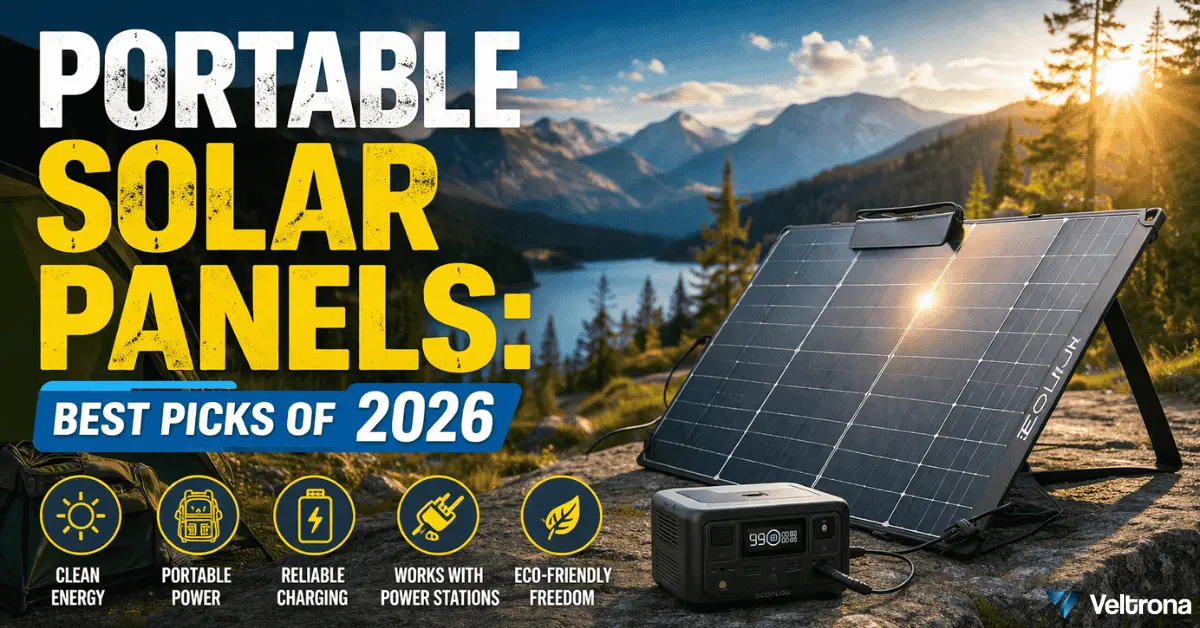

Taking your power off the grid has never been easier. The demand for reliable on-the-go energy is reaching new heights in 2026. People are spending more time exploring the outdoors, working remotely from scenic locations, and preparing for unexpected power outages at home.
You no longer need a massive, roof-mounted system to keep your devices charged. Portable solar panels have become a must-have item for anyone looking to stay connected. They offer an eco-friendly way to generate electricity and can save you money by replacing noisy, fuel-heavy gas generators.
If you want to buy the right gear, you need to understand how these devices work in the real world. This guide will walk you through our best picks for the year and give you all the practical advice you need to make a smart choice.
What Are Portable Solar Panels?
At a basic level, these devices are compact power generators. They capture sunlight and convert it into usable electricity for your phones, laptops, and portable power stations.
Unlike the heavy glass units you see on houses, these are built for travel. Manufacturers use lightweight materials to make them easy to carry. You can set them up at a campsite, lay them across your RV dashboard, or place them in your backyard during an emergency. They give you a reliable power source right when you need it most.
Why Portable Solar Panels Are Popular in 2026
The shift toward outdoor living and remote work is driving a massive change in how we get our power. People want the freedom to travel without losing touch with the digital world. At the same time, extreme weather events have made emergency backup power a top priority for many households.
Here are the key reasons these devices are flying off the shelves:
- They are easy to fold up, carry, and store in tight spaces.
- They provide a completely clean and renewable energy source.
- You never have to pay for fuel or deal with loud generator noise.
- They are a lifesaver for travel setups and sudden power outages.
- They plug directly into most modern battery power stations.
Types of Portable Solar Panels
You will find a few different styles on the market, each suited for a specific type of user. Foldable solar panels are the most common. They collapse into a neat briefcase shape, making them highly protective and easy to pack.
Flexible solar panels are another great option. They are incredibly thin and can bend to fit curved surfaces like a boat deck or an RV roof. Rigid portable panels offer the highest durability and look like miniature versions of home panels. Finally, small USB solar chargers are tiny units designed exclusively to charge a single smartphone while you hike.
Best Portable Solar Panels of 2026
Finding the perfect model depends entirely on your energy needs. We evaluated real-world efficiency, weight, and durability to identify the top performers this year.
Best Overall: EcoFlow 220W Bifacial
This model stands out because it captures sunlight from both the front and the back. The dual-sided design makes it highly efficient, boasting a 25% conversion rate. It weighs 21 pounds and comes with a durable, waterproof kickstand case.
Best for Camping: Jackery SolarSaga 200W Plus
Jackery upgraded its classic panel for 2026 with smart solar optimization. It automatically adjusts its voltage based on changing sunlight. This means you get a much steadier charge even when clouds roll in.
Best High-Power Option: Bluetti PV350
If you need to run mini-fridges or heavy-duty fans, the Bluetti PV350 is a powerhouse. It offers 350 watts of output and features a highly durable ETFE coating. It weighs around 30 pounds, but it is the top choice for serious off-grid living.
Best Budget Setup: Rockpals 100W Foldable
Not everyone needs a massive power station. The Rockpals 100W is highly affordable and weighs just over 9 pounds. It includes a direct USB-C port, making it perfect for weekend campers who just need to charge laptops and phones.
How to Choose the Best Portable Solar Panels
Specs can be confusing. You want to focus on how the panel will fit into your actual routine. A solo weekend camper has completely different needs than a family living full-time in an RV.
Always look carefully at what you are about to buy. Here is what to look for before buying:
- Ensure the output power matches your battery size and daily usage.
- Check the total weight to confirm you can easily carry and fold it.
- Verify the weather resistance rating to handle rain and dust.
- Make sure the charging ports actually match your specific devices.
- Stick to reliable brands that offer a warranty of two years or more.
Real-World Performance vs Advertised Power
One of the biggest surprises for new users is that panels rarely hit their advertised wattage. A 200W panel might only give you 160W on a good day. This is completely normal and not a defect. Companies test these products in perfect, temperature-controlled laboratories.
The real world is much less predictable. Here is why the output can be lower:
- Sunlight intensity changes constantly throughout the day.
- The angle of the panel might not perfectly align with the sun.
- A thin layer of dust or pollen can block light from entering the cells.
- Even a tiny bit of shade from a tree branch drastically reduces power.
- High outdoor temperatures actually make the solar cells less efficient.
Benefits of Using Portable Solar Panels
The initial cost might seem high, but the long-term benefits are incredible. You gain total independence from the traditional power grid. You can park your van in the middle of a forest and still have the comforts of home.
They also save you money over time. Once you buy the gear, the energy is completely free. You also help protect the environment by using a clean energy source instead of burning gasoline. Plus, the silent operation means you can enjoy the sounds of nature without a noisy motor running in the background.
Limitations You Should Know
It is important to have realistic expectations. Portable solar panels charge batteries much more slowly than a standard wall outlet. If you completely drain your power station, it might take a full day of bright sunlight to refill it.
They are also highly dependent on the weather. A rainy or heavily overcast week will severely limit your power supply. Finally, setting up a complete system with high-quality panels and a good power station requires a noticeable upfront investment.
Who Should Buy Portable Solar Panels?
These panels are perfect for campers and hikers who want to stay safe and connected on the trail. RV owners benefit massively because they can keep their internal batteries topped up without paying for expensive campground hookups.
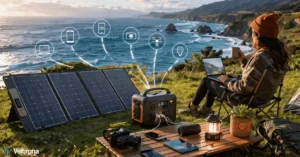
They are also a smart purchase for emergency preparedness. If a major storm knocks out your local power grid, a reliable solar setup will keep your phones charged and your lights on. Remote workers who want to type from a beach or a mountain cabin will also find them incredibly useful.
The Final Verdict on Portable Solar Panels
Portable solar panels offer unmatched freedom for anyone who spends time off the grid. They bridge the gap between rugged outdoor adventures and modern digital convenience. Whether you want to power a massive RV or just keep your phone alive during a camping trip, there is a panel built specifically for your needs. Focus on your actual power requirements, pay attention to the weight, and pair your panel with a high-quality battery station.
Your Smart Buying Choice
Choosing your power setup does not have to be stressful. Start by adding up the wattage of the devices you plan to use. Once you know your energy needs, pick a panel that offers slightly more power than you think you need. This gives you a safe buffer for cloudy days. Invest in a trusted brand, take care of your gear, and enjoy the limitless freedom of generating your own power.