

I used to wake up every morning and immediately feel my face for new bumps. It was a stressful routine that set a negative tone for my entire day. I spent years hiding behind thick layers of foundation and canceling plans when my skin was at its worst. Nothing seemed to stop the deep, painful breakouts that clustered around my jawline and chin.
If you are reading this, you probably know that exact feeling of frustration and defeat. You have likely spent hundreds of dollars on skincare products that promised miracles but delivered nothing. Not too long ago, I was in the same situation.
Everything changed when my dermatologist suggested a pill I had never heard of before. I was skeptical at first, but taking Spironolactone for acne turned out to be the turning point in my skincare journey. This post will share my honest experience, my timeline for results, and everything you need to know if you are considering this treatment for yourself.
My Acne Struggle Before Spironolactone
My skin issues started in my early twenties. I thought I had left breakouts behind in high school, but adult acne proved to be a completely different beast. These were not small whiteheads that went away in a few days. I was dealing with deep, cystic bumps that throbbed with pain and lingered for weeks.
I tried almost everything available over the counter. Salicylic acid cleansers left my skin dry and peeling. Benzoyl peroxide creams bleached my pillowcases but did nothing for my jawline cysts. I even went on a few rounds of oral antibiotics, which cleared my skin temporarily, but the breakouts always returned the moment I stopped taking the pills.
The emotional toll was incredibly heavy. I felt deeply insecure during meetings at work and avoided having my picture taken. It felt like my skin was controlling my life, and I was exhausted from fighting a battle I kept losing.

What is Spironolactone for Acne?
When my doctor first mentioned Spironolactone for acne, I was confused. I quickly learned that this medication was not created to treat skin problems. It is actually a medication designed to treat high blood pressure and fluid retention.
However, dermatologists discovered years ago that it has a very positive side effect for women struggling with specific types of breakouts. It acts as an androgen blocker. Androgens are male hormones that exist in both men and women, but sometimes they can trigger your skin to produce way too much oil.
By blocking these hormones, the medication stops the excess oil production at the source. It is usually prescribed “off-label” specifically for adult women who are dealing with hormonal breakouts that do not respond to traditional creams or antibiotics.
How Spironolactone Works on Acne
Hormonal acne is notoriously stubborn because it starts deep beneath the skin’s surface. Topical treatments often fail because they only treat the surface. Spironolactone for acne works internally by directly targeting the hormonal fluctuations that cause your sebaceous glands to overreact.
When your oil glands calm down, your pores stop getting clogged with that sticky mixture of excess oil and dead skin cells. This means the acne bacteria have nothing to feed on, preventing breakouts from forming in the first place.
It is important to note that this is not a quick fix. Because it alters how your body processes hormones, the medication takes time to work. Studies show it can reduce acne significantly, and many doctors prefer it as a safer, long-term alternative to repeated courses of antibiotics.
My Results Timeline (Week-by-Week or Month-by-Month)
Patience is incredibly important when starting this medication. My doctor warned me that my skin would not clear up overnight, and she was absolutely right.
First Month
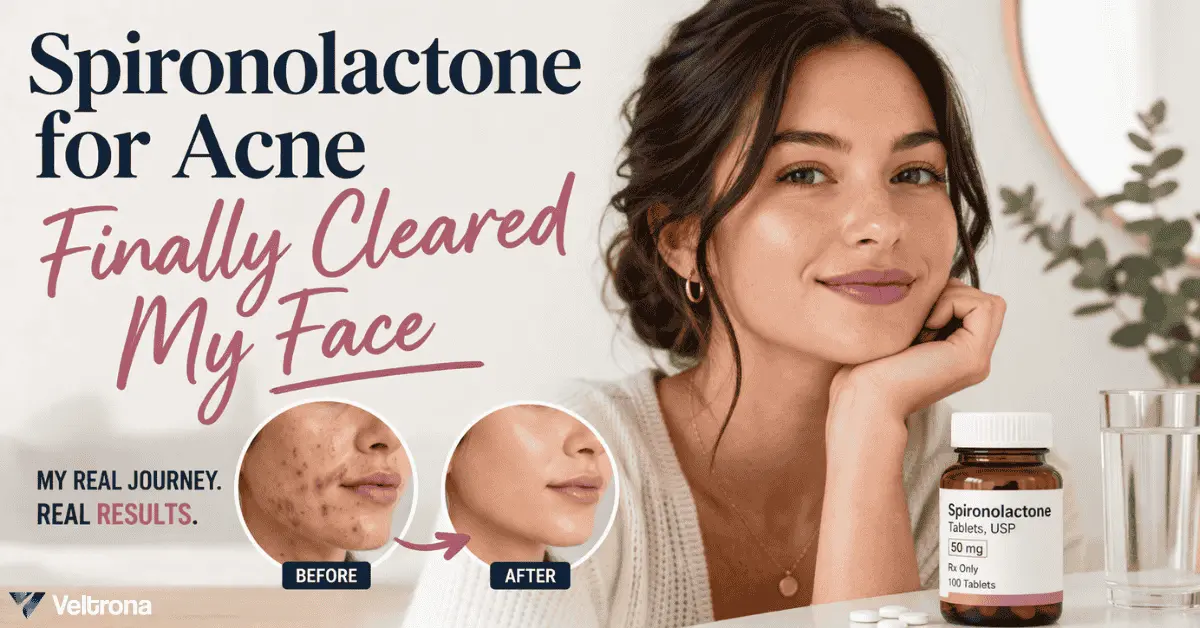
During the first four weeks, I did not see much improvement. In fact, I experienced a slight purging phase where my skin seemed to get a little worse. A few deep cysts surfaced along my jawline, and I felt quite discouraged. My doctor assured me this was a normal part of the adjustment period.
Second to Third Month
Around week eight, subtle shifts started happening. I noticed my face was significantly less oily by the middle of the day. The deep, painful cysts stopped forming. The breakouts I did get were much smaller and healed much faster than before.
3 to 6 Months
This was the magical window for my skin. By month four, I was waking up to a completely smooth face. Using Spironolactone for acne had finally stopped the endless cycle of breakouts. For the first time in years, I felt confident enough to leave the house without wearing any foundation.
Benefits of Spironolactone for Acne
There are several reasons why this treatment has become a holy grail for so many women.
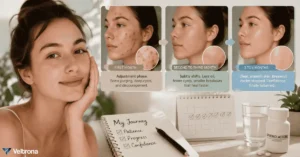
- It targets the actual root hormonal cause of the breakouts rather than just treating symptoms.
- It significantly reduces overall facial oiliness and greasy shine throughout the day.
- It provides long-term acne control that you can maintain safely for years.
- It serves as an excellent alternative to harsh antibiotics that can damage your gut health.
Side Effects You Should Know
Like any prescription medication, Spironolactone for acne comes with potential side effects that you need to be aware of.
- It is a diuretic, which means you will experience increased urination and need to drink more water.
- It can cause hormonal changes like irregular periods or spotting between cycles.
- You might experience lightheadedness, dizziness, or fatigue, especially when standing up quickly.
- Some women report mild breast tenderness or slight enlargement during the first few months.
Who Should Use Spironolactone for Acne?
This medication is typically best for adult women who suffer from hormonal acne. If your breakouts flare up around your menstrual cycle or concentrate on your lower face, you might be a great candidate.
It is generally not prescribed for men because of the hormone-blocking effects. Additionally, it is absolutely not safe to take during pregnancy because it can affect the development of the baby. You must always use this medication under the strict supervision of a qualified doctor or dermatologist.
Tips to Get the Best Results
If you and your doctor decide this is the right path for you, there are a few ways to help ensure a successful experience.
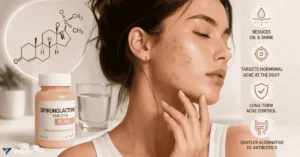
- Stay completely consistent with your daily dosage and try to take it at the same time every day.
- Combine the medication with a gentle, hydrating skincare routine to protect your skin barrier.
- Be incredibly patient because the slow results can take up to three months to become noticeable.
- Follow your doctor’s advice strictly and never increase your dosage without their permission.
Spironolactone vs Other Acne Treatments
I had tried almost everything else before finding success with this pill. Compared to antibiotics, Spironolactone for acne is a much better long-term solution. Antibiotics just kill bacteria temporarily, leading to resistance, while this pill stops the oil production entirely.
Compared to Accutane, the side effects are generally much milder. Accutane actually shrinks your oil glands and can cause severe dryness, joint pain, and other intense side effects. For my specific hormonal issues, Accutane would have been overkill.
Compared to topical treatments like retinoids, it is much easier to tolerate. I did not have to deal with burning, peeling, or a compromised skin barrier. It worked from the inside out, which is exactly what my body needed.
Real Experience vs Expectations
When I first started taking Spironolactone for acne, I expected to see a difference within a few weeks. I was definitely frustrated when month one ended, and I still had active breakouts.
The truth is that the waiting period is mentally tough. You have to trust the process even when you feel like nothing is happening. However, the wait was completely worth it. The pros of consistently clear skin far outweigh the minor cons of drinking more water and using the bathroom more often.
Did Spironolactone Clear My Acne?
Yes, it absolutely did. Taking Spironolactone for acne gave me my life back. I no longer spend hours analyzing my pores in the mirror or stressing about my complexion before big events.
If you are an adult woman battling stubborn, painful hormonal breakouts, I highly suggest bringing this up with your dermatologist. It might not be the right fit for everyone, but it was the miracle cure I had been searching for.